Email that reaches the inbox.
Campaigns, transactional email and a send API, with DKIM, suppression and a log of every message.
Everything between the template and the inbox.
Authenticated domains, our own mail servers, clean lists and a record of every message.
What teams send with it
- Receipts and account email
- Order confirmations, password resets and sign-in codes through the send API. An idempotency key per order means a retry never sends twice. LumyOne sends its own account emails this way.
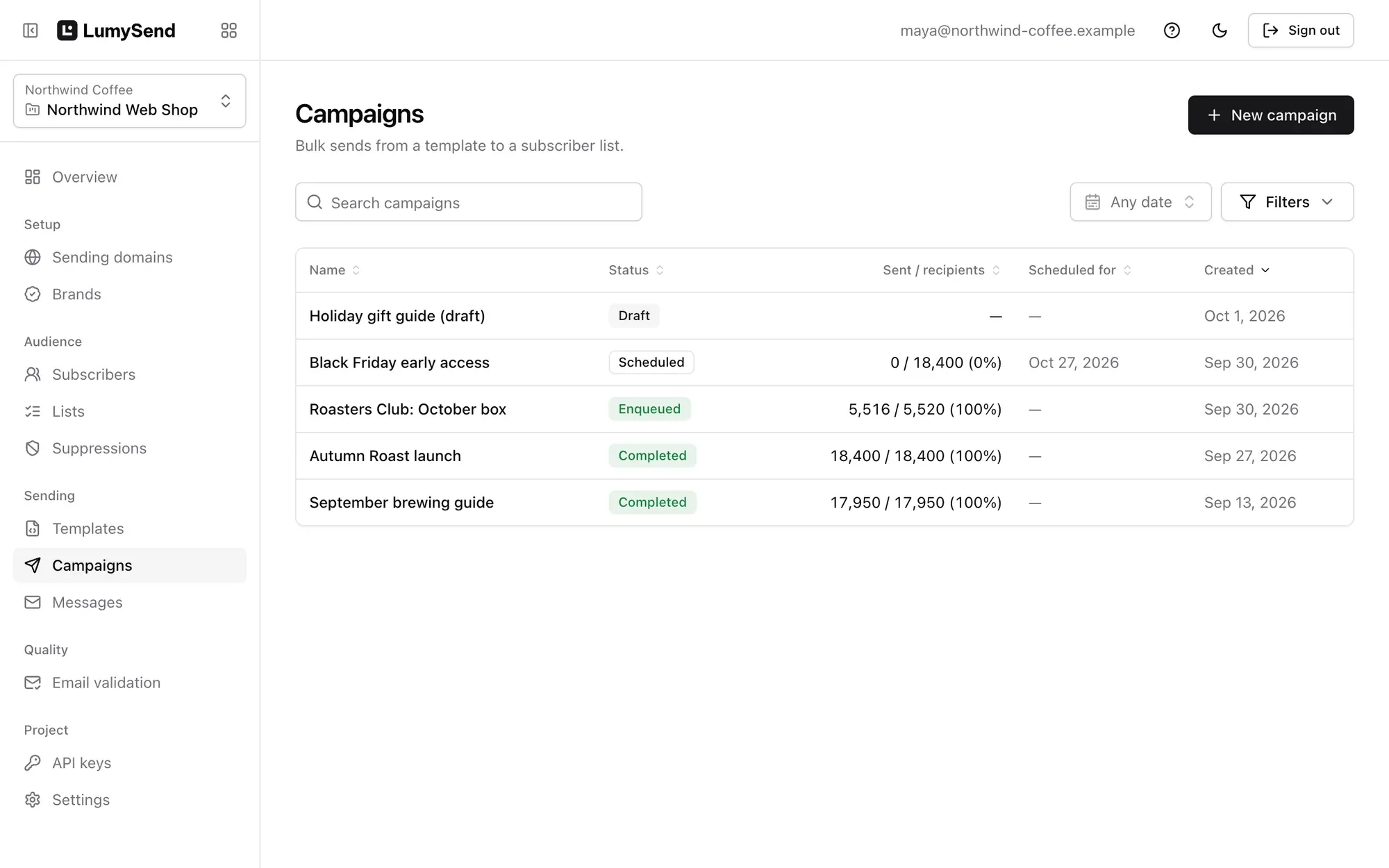
- Newsletters and campaigns
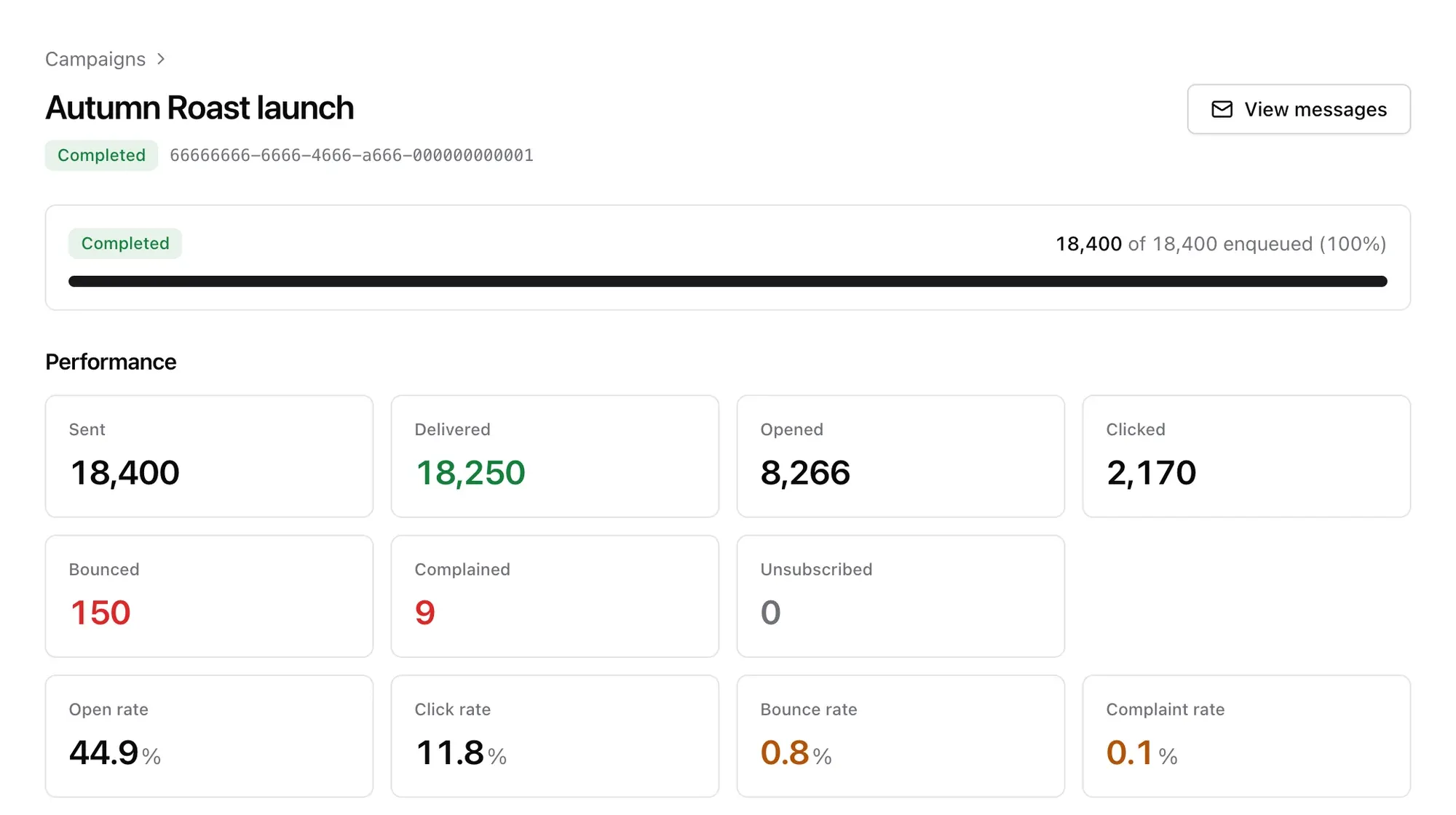
- Design once in MJML or HTML, pick a list, then send now or schedule it. The campaign report shows who opened and clicked.
- Win-back campaigns
- Import the customers who have not ordered in a while as a list, validate the file first, and send them one campaign with an offer.
Send your first email with one request.
Authenticate with a project API key, pick a template and send. Variables fill in the rest.
- One endpoint: POST /v1/messages on api.lumyone.com
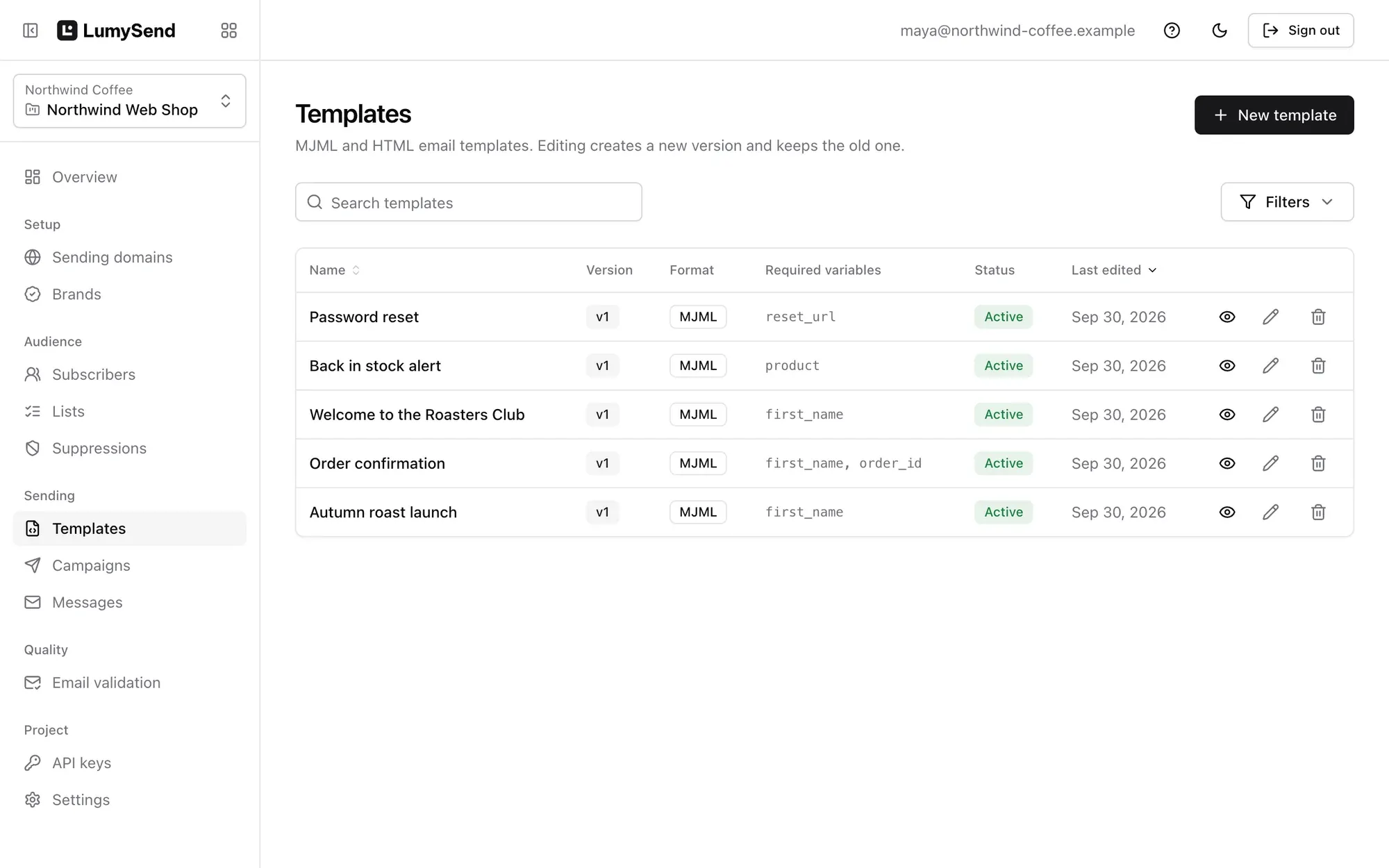
- Templates with {{variables}}, in MJML or HTML
- Idempotency keys, so a retry returns the original message
Send an email
curl -X POST https://api.lumyone.com/v1/messages \ -H "Authorization: Bearer $LUMYSEND_API_KEY" \ -H "Content-Type: application/json" \ -d '{ "to": "customer@example.com", "from": "hello@yourbrand.com", "template_id": "YOUR_TEMPLATE_ID", "variables": { "first_name": "Ada" }, "idempotency_key": "order-1042-receipt" }'LumySend API. Keys are created per project under API keys in send.lumyone.com.
Ready to send, and it shows.
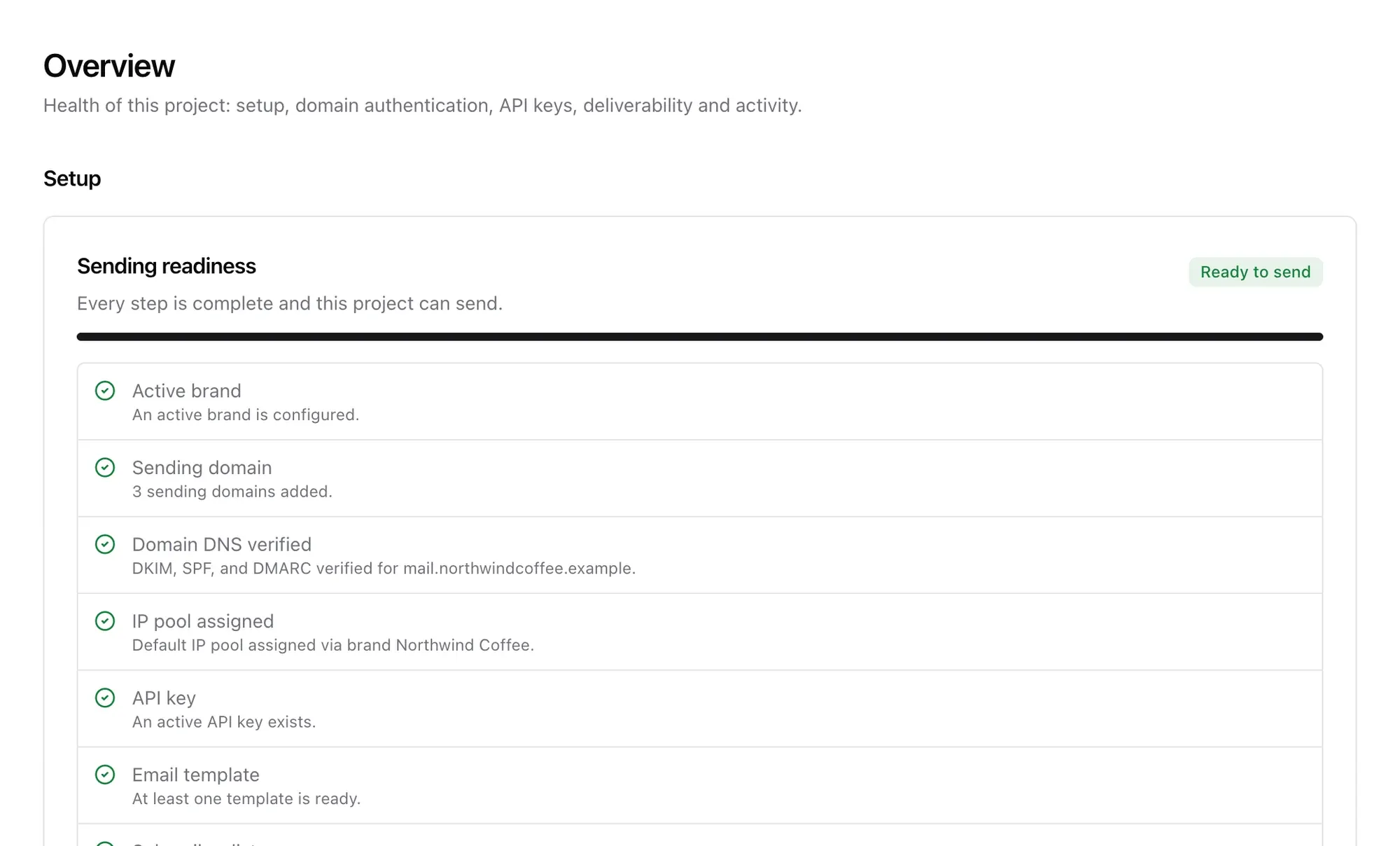
- Authenticated by default
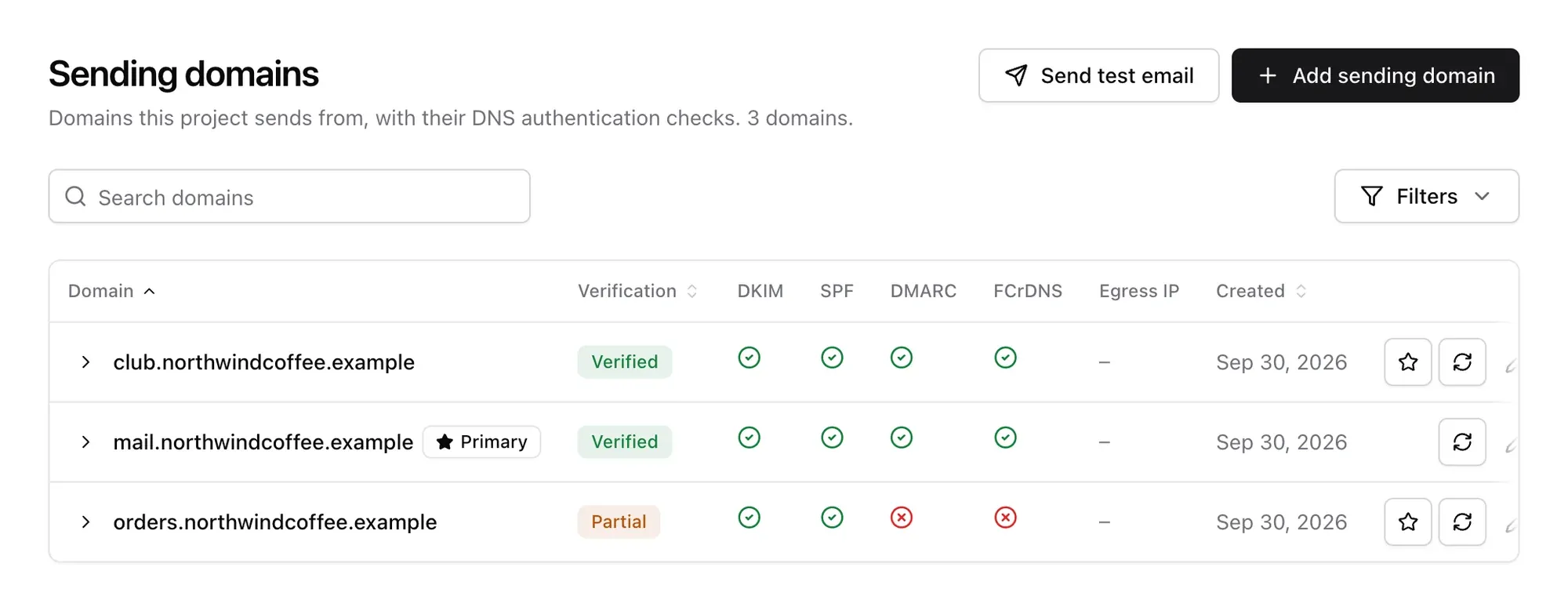
- DKIM, SPF and DMARC checked on every sending domain before it sends.
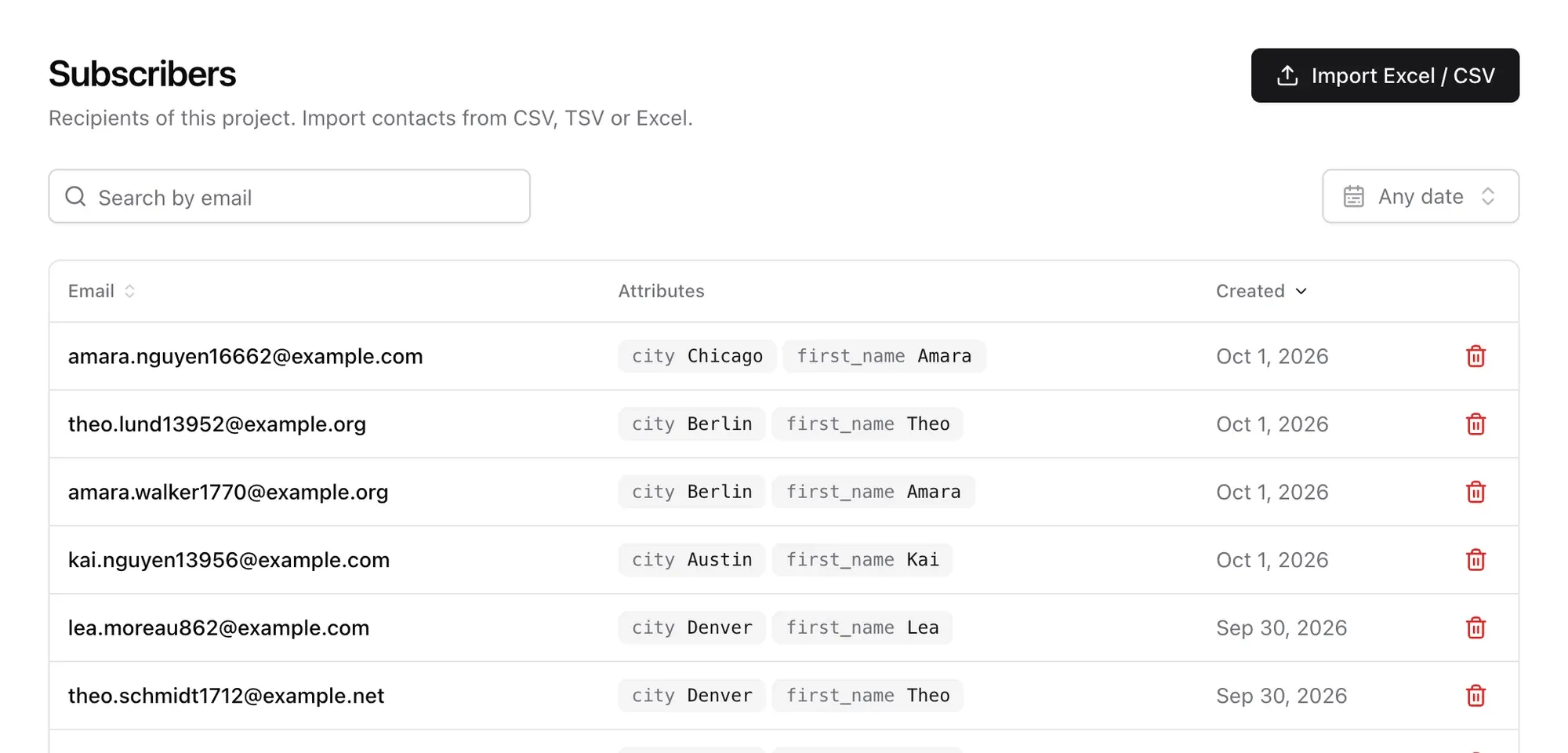
- Bad addresses stay out
- Validate lists before sending; bounces and complaints are suppressed for you.
- Our own sending infrastructure
- Mail leaves from our own mail servers and IP addresses, and new IPs are warmed up before they carry volume.
- Nothing sent twice
- Send the same idempotency key again and you get the original message back.
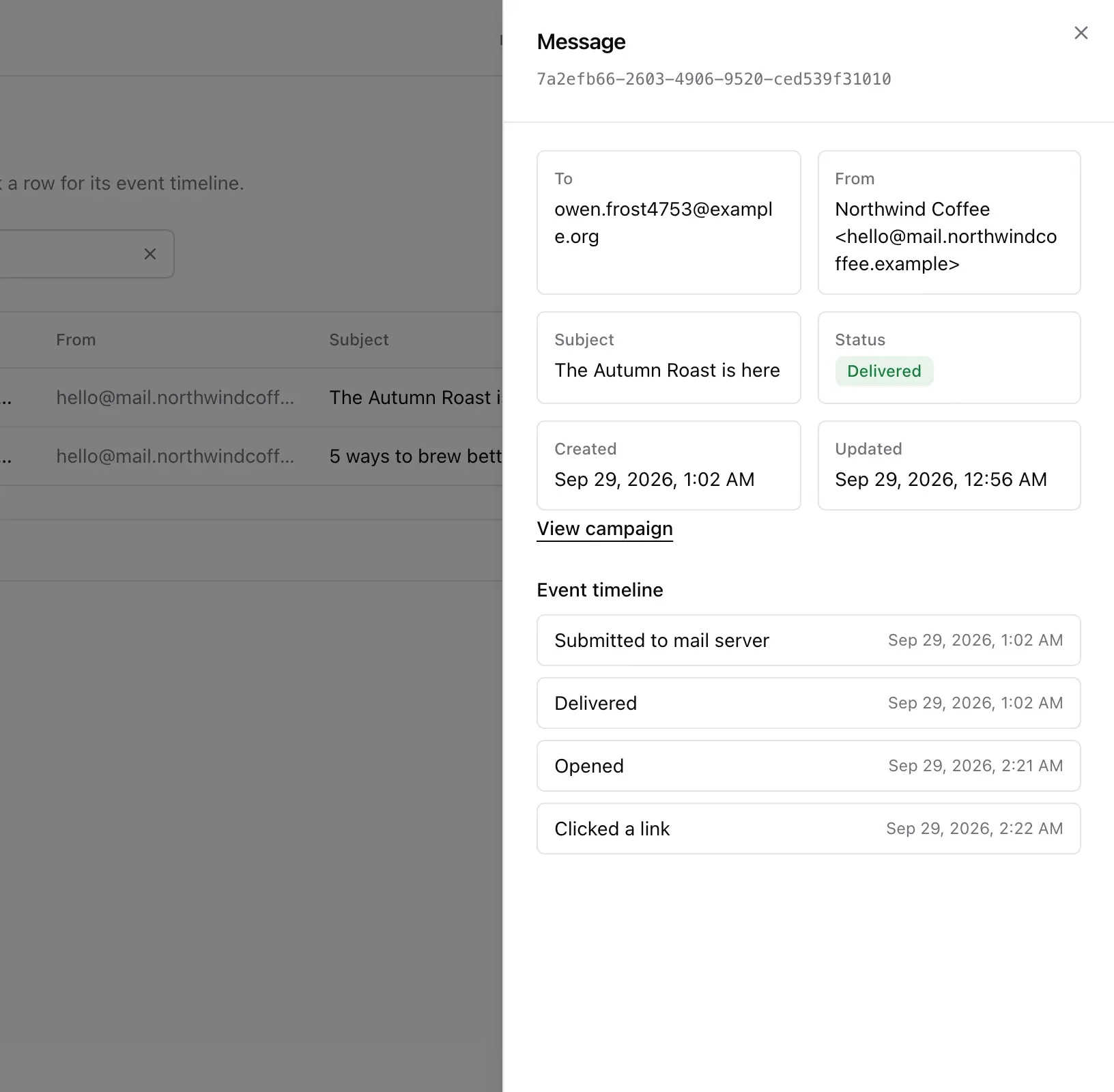
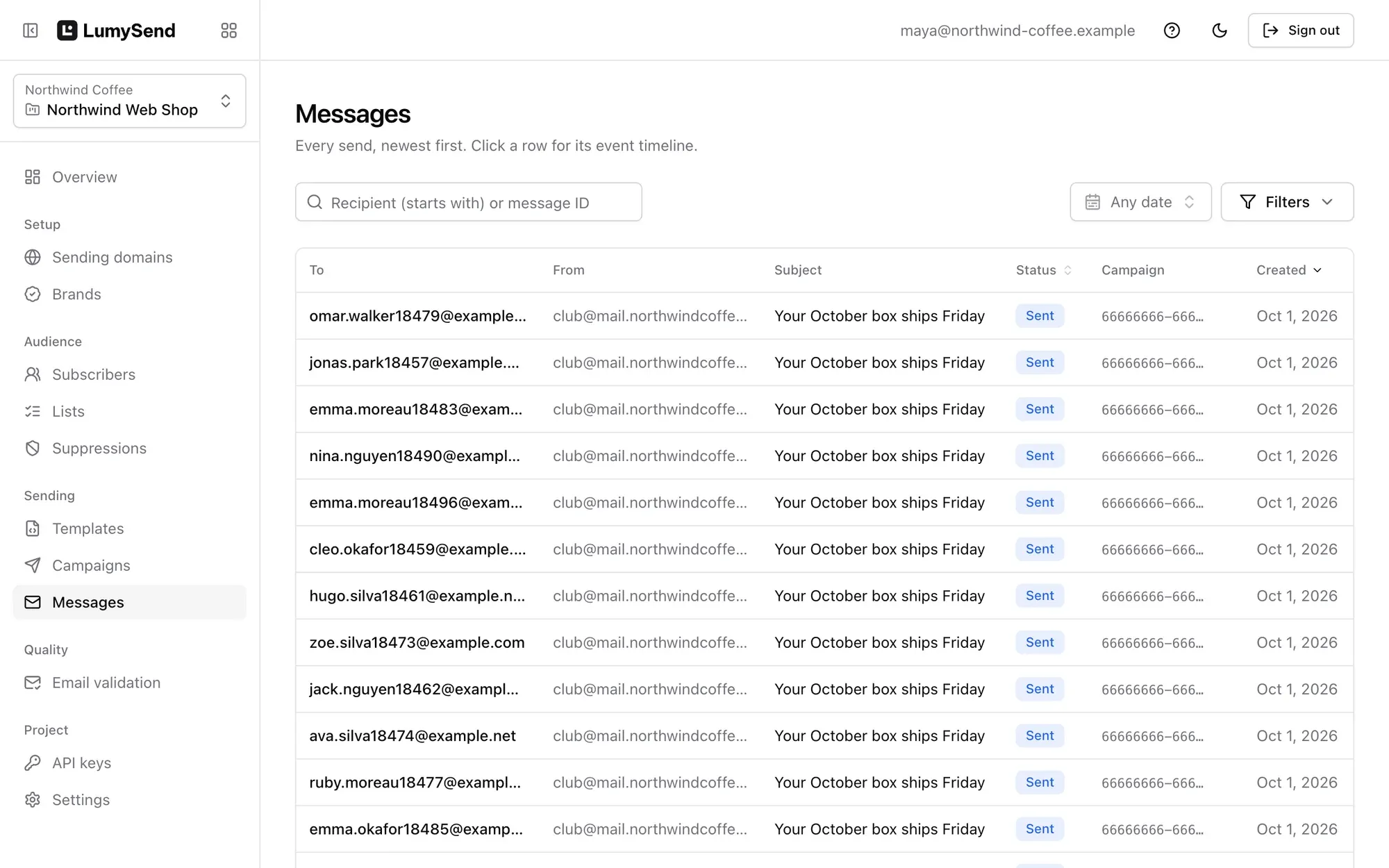
- Every message on record
- Search the message log and open any send to see its event timeline.
Pair it with LumyFlow
Put tracking links in your emails and see which email brought each sale.
LumySend questions
Add a sending domain and LumySend shows the DNS records to publish. It checks DKIM, SPF and DMARC and marks the domain verified once all three pass. Only verified domains can send.
Yes. Upload a file to Email validation and LumySend flags duplicates, disposable and role addresses, likely typos and a risk score for each address.
Hard bounces and spam complaints add the address to your suppression list automatically, and LumySend will not send to it again. You can also add addresses by hand.
Ours. LumySend runs its own mail servers and IP addresses rather than reselling another provider, and we warm up new IPs gradually before they carry full volume.
Yes. Campaigns cover newsletters and one-off sends to a list. The send API covers transactional email such as receipts and password resets. Both use the same templates and domains.
POST https://api.lumyone.com/v1/messages sends one of your templates to one recipient, with variables and an optional idempotency key. Create keys per project under API keys.
Send your next campaign with LumySend.
Book a demo and we will walk through your setup, from your first sending domain to your first campaign.